
Agentic Recipes Turn RevOps Analysis Into Repeatable Workflows
A CRO asks a simple question on Monday morning: What changed in pipeline coverage? Which teams need attention before the forecast call?
The answer should not take a day. It should not be a loose AI summary pasted over a spreadsheet. RevOps needs a workflow that pulls the right data, applies the same logic, shows the result, and explains what changed.
That is what QFlow Agentic Recipes are built for.
The recurring question is the real work
Most RevOps analysis is not one-off work. The same questions come back every week. Are segments under-covered? Are reps creating qualified pipeline? Which deals moved out? What changed in the forecast? What should the CRO say in the revenue meeting?
The hard part is not the first answer. It is getting the same answer next week, with the same definitions, the same filters, fresh data, and enough context for a leader to trust it.
Dashboards help when the question is known. Spreadsheets help when an analyst has time. Chat helps with a first pass. None of them, alone, becomes an operating rhythm.
Agentic Recipes are meant to sit in that gap.
AI should not own the number
Revenue leaders can live with uncertainty. They cannot live with numbers that change because a system guessed differently.
A recipe is not just a prompt. In QFlow, it can use deterministic data tools for exact work: filters, cohorts, groupings, variances, conversions, and forecast comparisons. AI can help assemble the workflow and write the narrative. The math stays grounded in GTM and finance data.
That matters. The CRO wants speed. Finance wants definitions that hold up. Sales wants numbers that reflect the business. If the analysis is fast but weak, RevOps ends up defending the tool instead of advising the business.
Recipes make the answer fast without making it slippery.
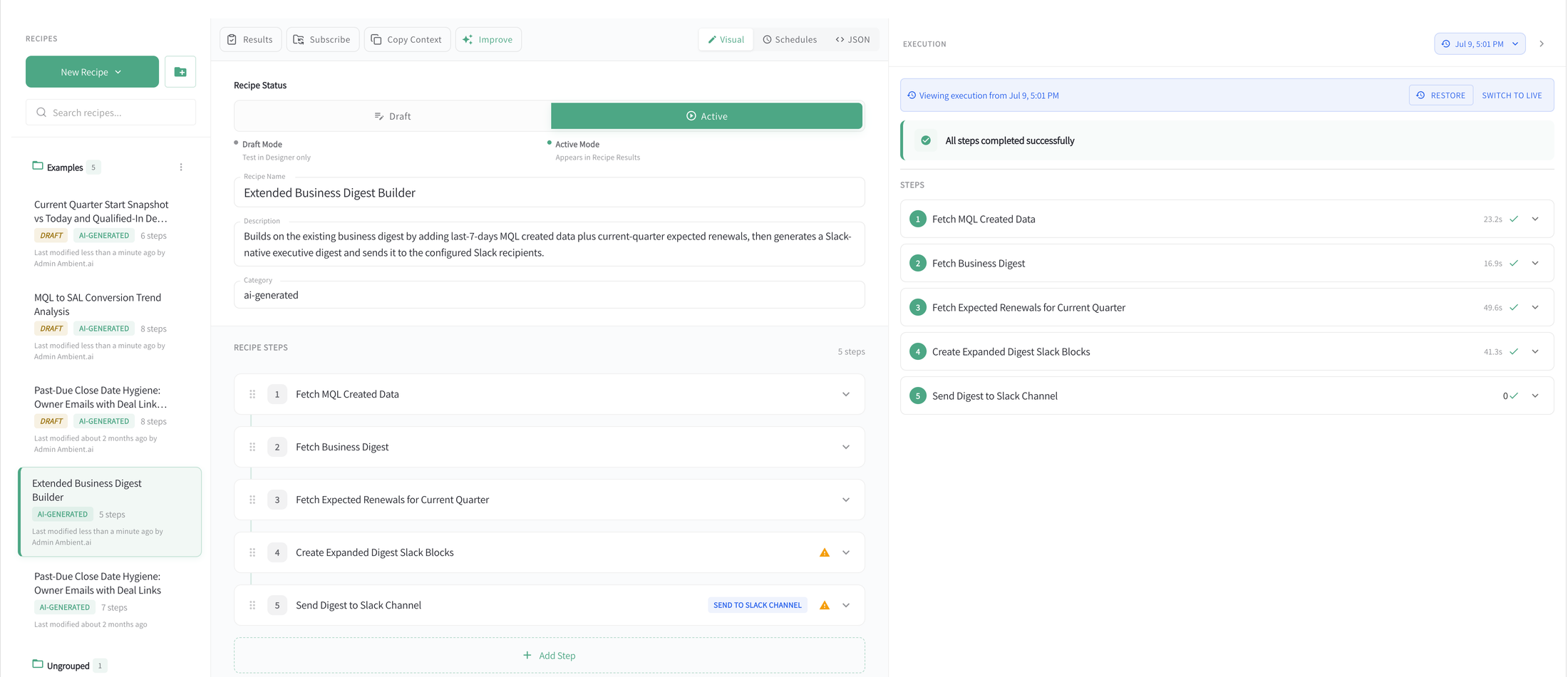
From request to repeatable workflow
A useful recipe starts with a business question, not a chart type.
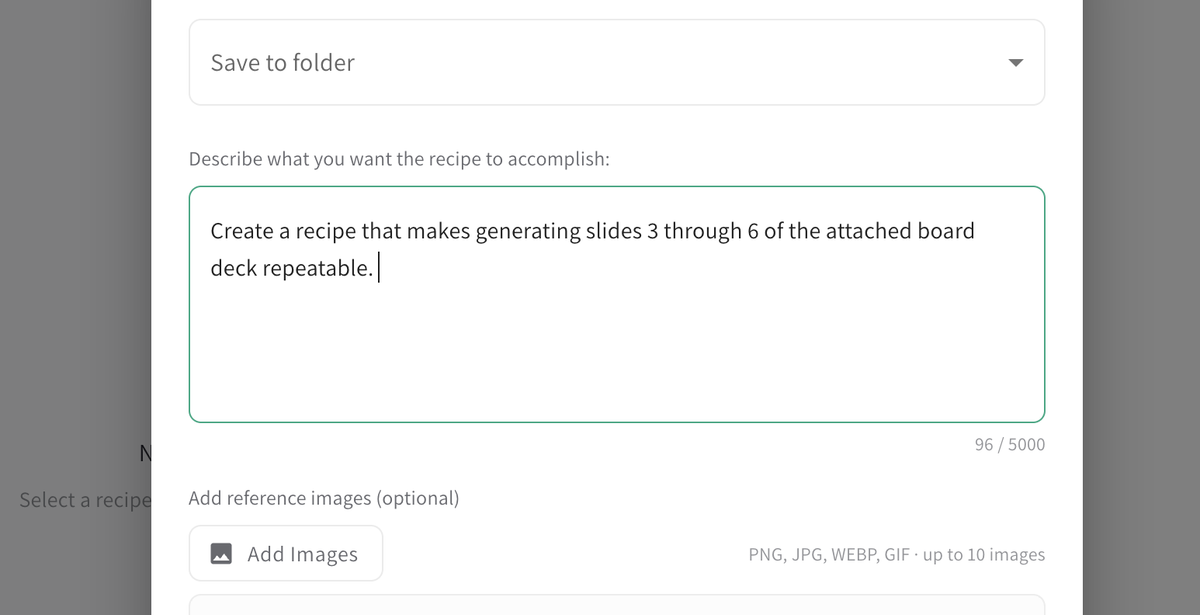
“Show pipeline coverage by segment, compare it to last week, call out the teams below target, and draft a summary for the CRO.”
That one request contains a lot of work. The recipe has to pull the right opportunity and forecast data. It has to apply the time window, segment logic, and comparison period. It has to separate real movement from noise. Then it has to produce a chart, table, or summary that the team can review and send.
That is the point. The workflow is saved. It can run again.
Recipes become operating plays
The bigger idea is not one perfect digest. It is repeatable analysis that becomes part of how the business runs.
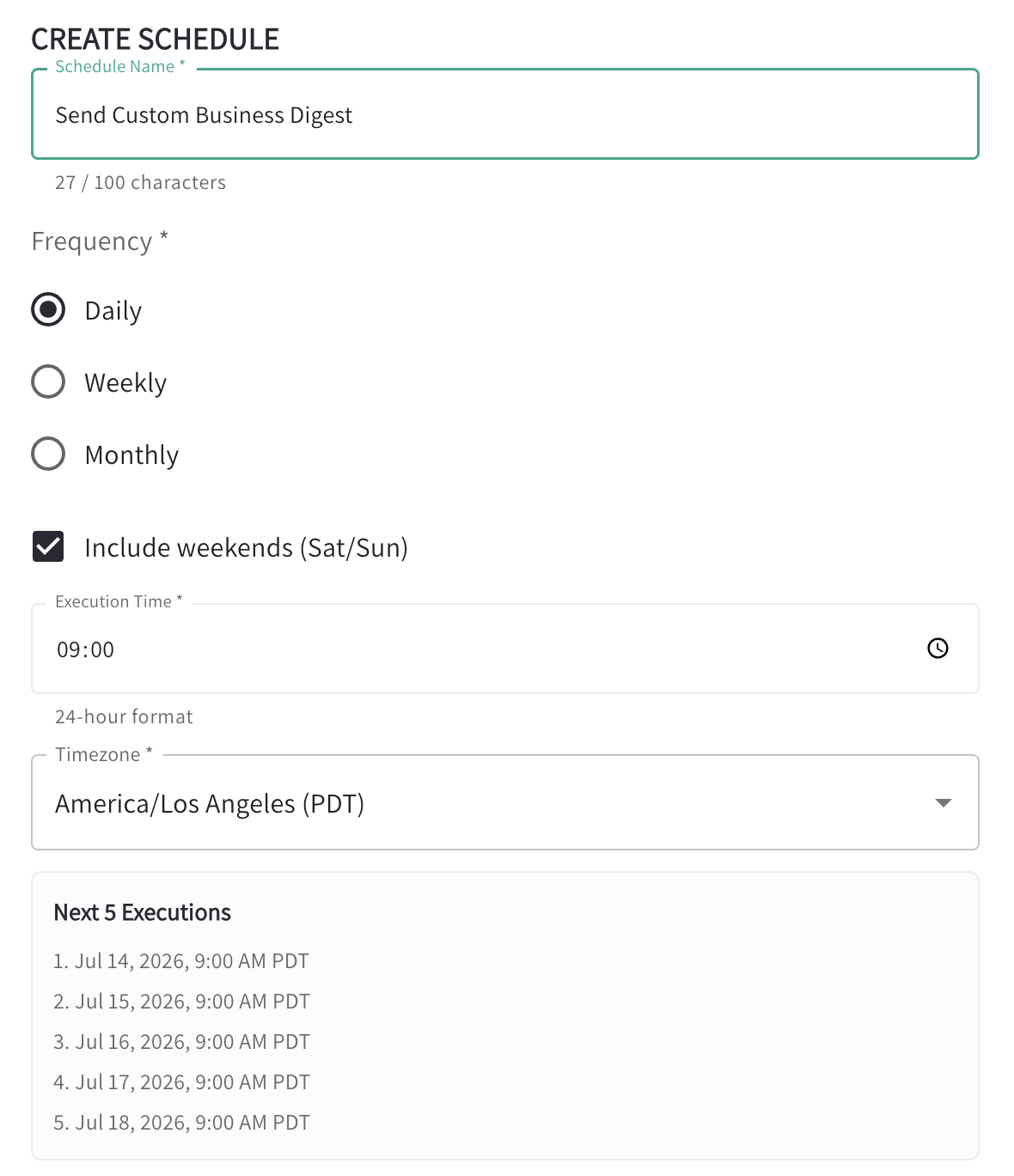
A recipe can watch for hygiene issues before they become forecast problems. It can alert reps when opportunities are missing exit criteria, next steps, close plans, or required fields. It can rebuild the same board-deck slides every week from live data. It can run pipeline, conversion, renewal, and forecast checks on a schedule. It can send each team the version they need, in Slack, email, or the workspace where they already act.
Each play can have its own inputs, thresholds, format, and audience. The common pattern is simple: the logic is saved, the output is explainable, and the workflow can run again without starting over.
RevOps gets reuse. CROs get context. Finance gets consistency. Managers get timing. The team spends less time asking for the report and more time using the answer.
The best RevOps teams are not trying to become report factories. They are trying to make the business easier to steer. Agentic Recipes turn the analysis people already depend on into workflows that keep running.
The analyst workflow should run again tomorrow. More importantly, it should mean the same thing when it does.